





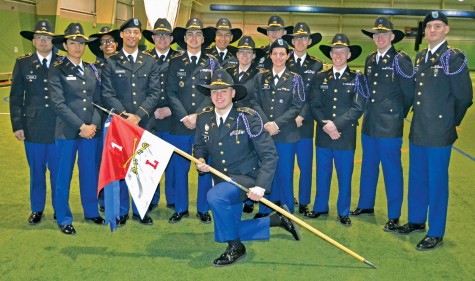
Pershing rifles group wins their fourth national title
Sarah Hochadel, Staff Reporer
Over spring break some students went on vacation, some visited family and some just spent time relaxing. For UT’s Pershing Rifles troop, it was the most important week of the year. Troop L-1 brought home the... Read More »
April 6, 2016 • 0 comments
Gaber speaks on Diversity Month
April 6, 2016
At noon on Monday April 4, University of... Read More »
March 30, 2016
Growing up, I knew I was fatter than my friends. It... Read More »

March 30, 2016
Roll out the red carpet and put on your fancy pants.... Read More »

Loss in overtime ends UT women’s basketball season
March 16, 2016
CLEVELAND, Ohio – After securing a first-round bye... Read More »
View All »

Missing the mark
After the announcement made by University of Toledo President Sharon Gaber regarding the results of the investigation into an off-campus incident that occurred Jan. 24, The... Read More »
April 6, 2016 • 0 comments
Love it or leave it: becoming an expat
Kyle Novak, IC Columnist
A few months ago I wrote a piece for the IC critical of U.S. foreign policy. Not surprisingly, the first comment on the column was a bit of advice suggesting that I either... Read More »
April 6, 2016 • 0 comments
Trump planting seeds of an all-against-all civil war
Ricardo Oscar Martinez, UT Alumnus
Dear Mr. Abayateye, As a UT alumnus, I want to thank you for your article, “Don’t spread hate, spread love�?: you did hit the mark about what Trump’s message is all... Read More »
April 6, 2016 • 0 comments

Provost a ‘Hsu in’
The provost is critical in shaping the future of any university — they are traditionally second in command. And with so many vacancies in President Sharon Gaber’s leadership... Read More »
March 30, 2016 • 0 comments
- Adopt, don’t shop, for pets
- Language is what u make it
- What is UT doing to help you graduate on time?
View All »
Women split weekend series; Sisko continues 15-match win streak
Justice Sunderland, Sports Reporter
The Toledo women’s tennis team split a pair of home games over the weekend while the men’s team lost on the road. The women’s team got off on the right foot with... Read More »
April 6, 2016 • 0 comments
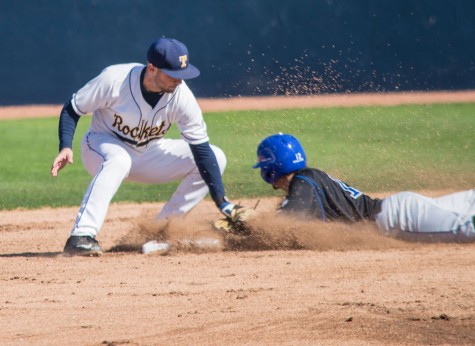
Rockets drop rubber match to BGSU, 7-3
Keith Boggs, Sports Reporter
The Toledo Rockets baseball team dropped two of three games to the Bowling Green Falcons on the road this weekend, being out-scored by the Falcons 14-10. The weekend started... Read More »
April 6, 2016 • 0 comments
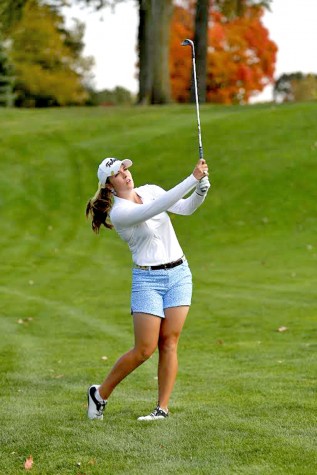
Rockets finish in the Top 5 for the eighth time this season
Jenna Nance, Associate Sports Editor
Following their record-breaking tournament victory at the Kingsmill Intercollegiate, the Toledo’s women golf team returned to the green to compete in the Web.Com Intercollegiate... Read More »
April 6, 2016 • 0 comments
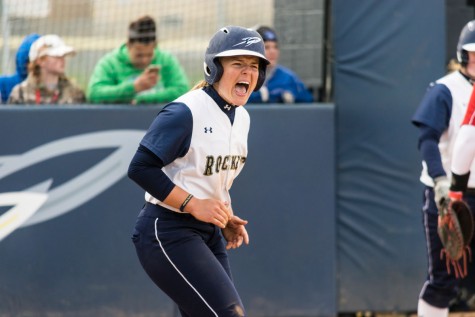
Toledo drops two out of three to Miami
Jackson Rogers, Sports Reporter
The University of Toledo softball team faced off against Miami, Ohio last weekend in a three-game series. The first two games were played on Friday with the teams trading... Read More »
April 6, 2016 • 0 comments
View All »
5 minutes could provide clean drinking water
Amber Thomas, Staff Reporter
For many of us, relieving thirst is as simple as walking up to the nearest water fountain, or opening the tap to fill your water bottle. However, children in third-world countries... Read More »
April 6, 2016 • 0 comments
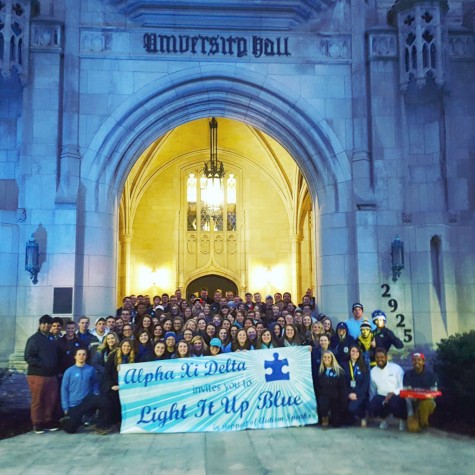
Toledo turns blue
Emily Jackson, Staff Reporter
One in every 42 boys and one in every 189 girls — the Center for Disease Control and Prevention says that’s how many U.S. children have autism. Since April is considered... Read More »
April 6, 2016 • 0 comments
Night of Queens
Sydney Brasic, Staff Reporter
The room darkens and suddenly, bright pop music begins to play. A single spotlight focuses on the door and out walks the most outrageously dressed woman you’ve ever seen.... Read More »
April 6, 2016 • 0 comments
View All »